









inContAlert

inContAlert BladderMate™

Know your body.Own your life.

Early Access is available now

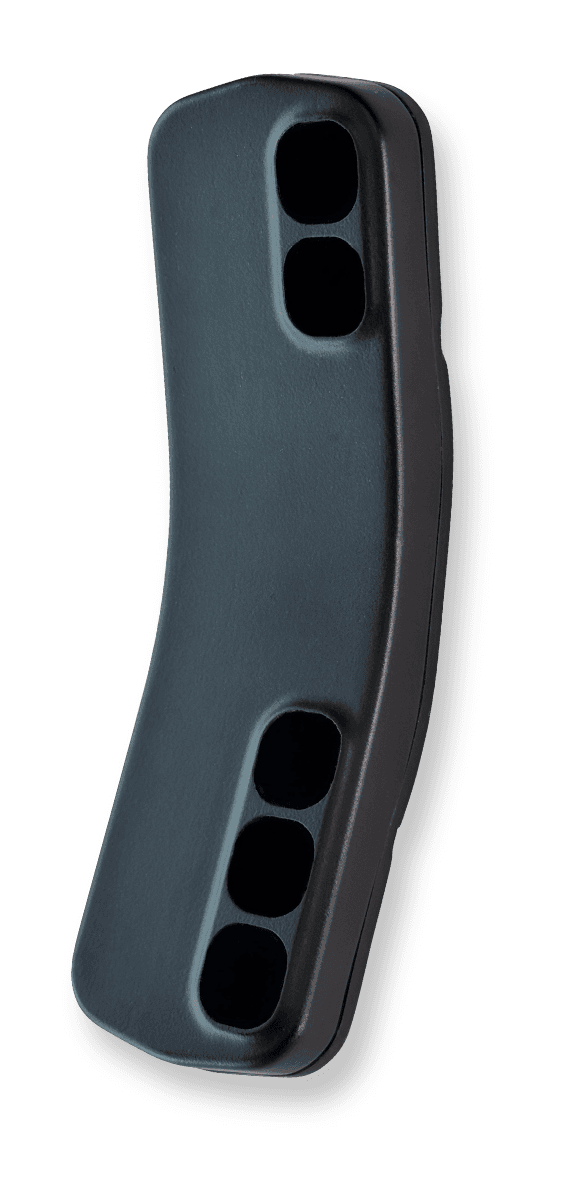
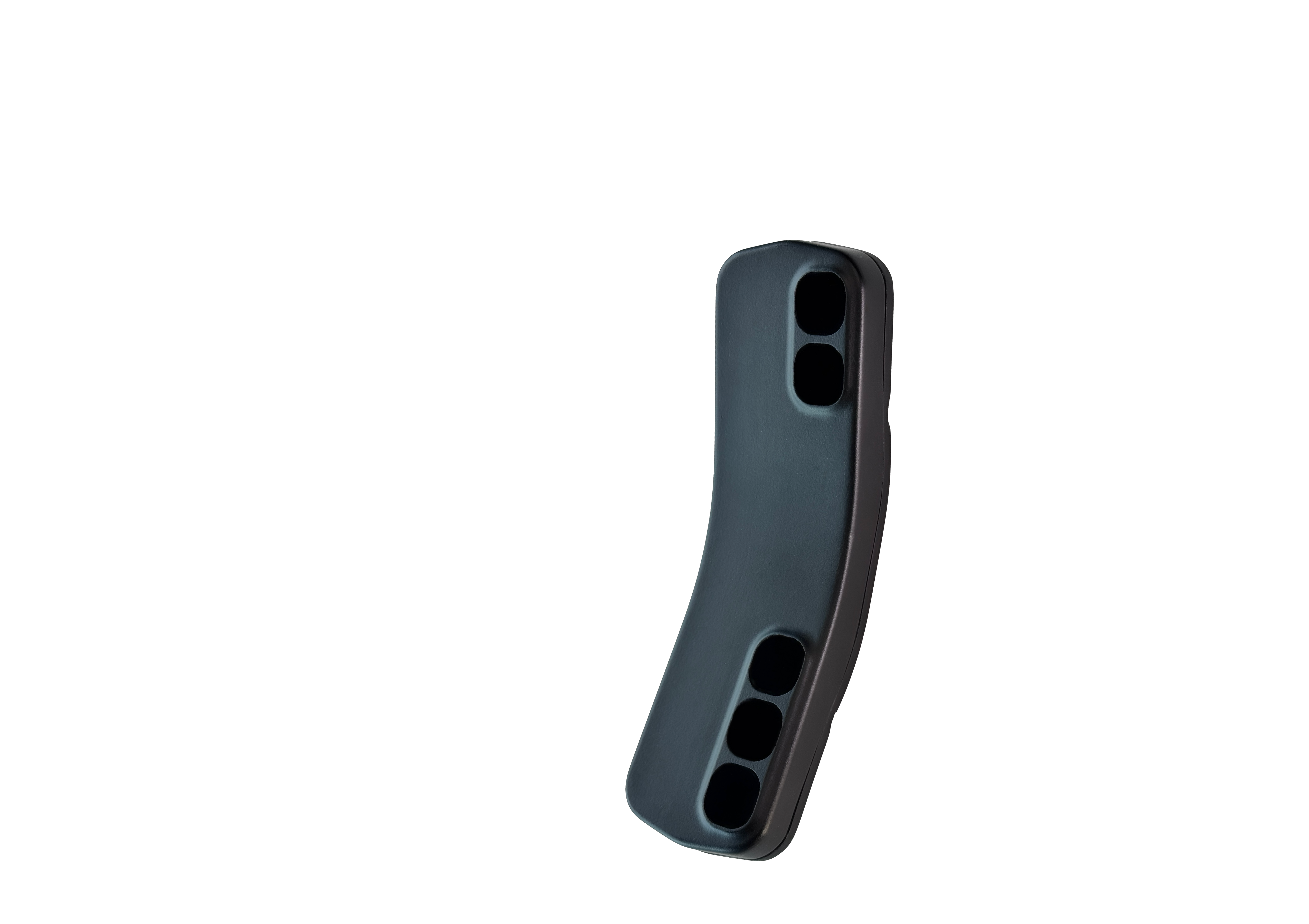
BladderMate™ sensor

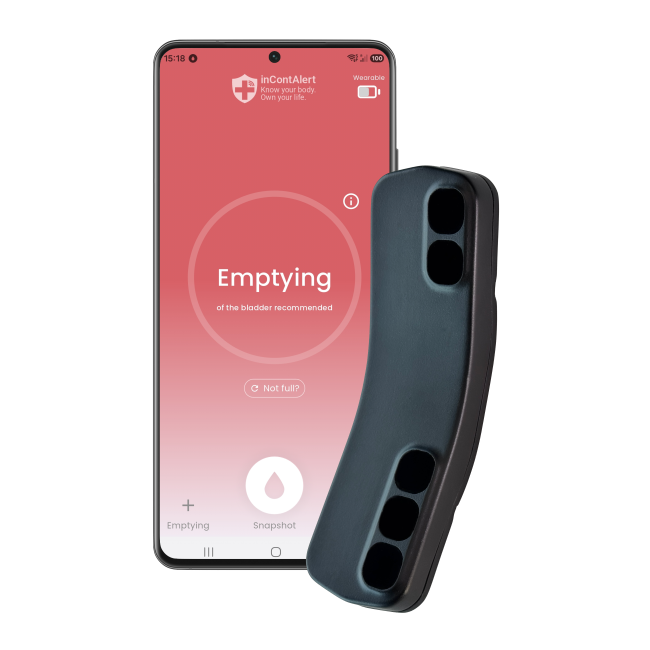
The wearable continuously analyzes signals from your abdominal area and gives you a recommendation on when to empty your bladder.

As featured in

TagesspiegelHandelsblattSüddeutsche ZeitungDie ZeitWeltTagesspiegelHandelsblattSüddeutsche ZeitungDie ZeitWelt

The product

One sensor. One clear recommendation.

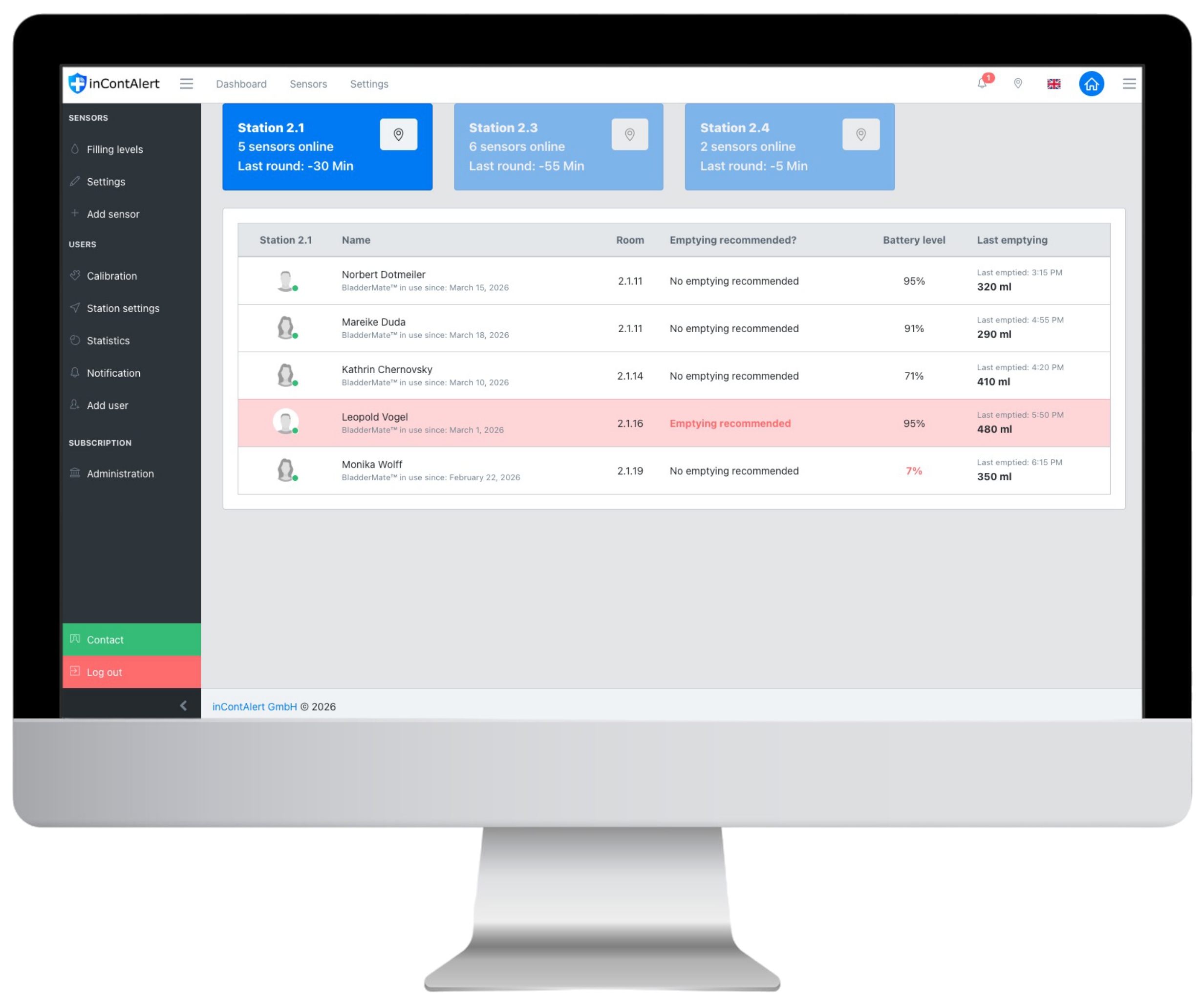
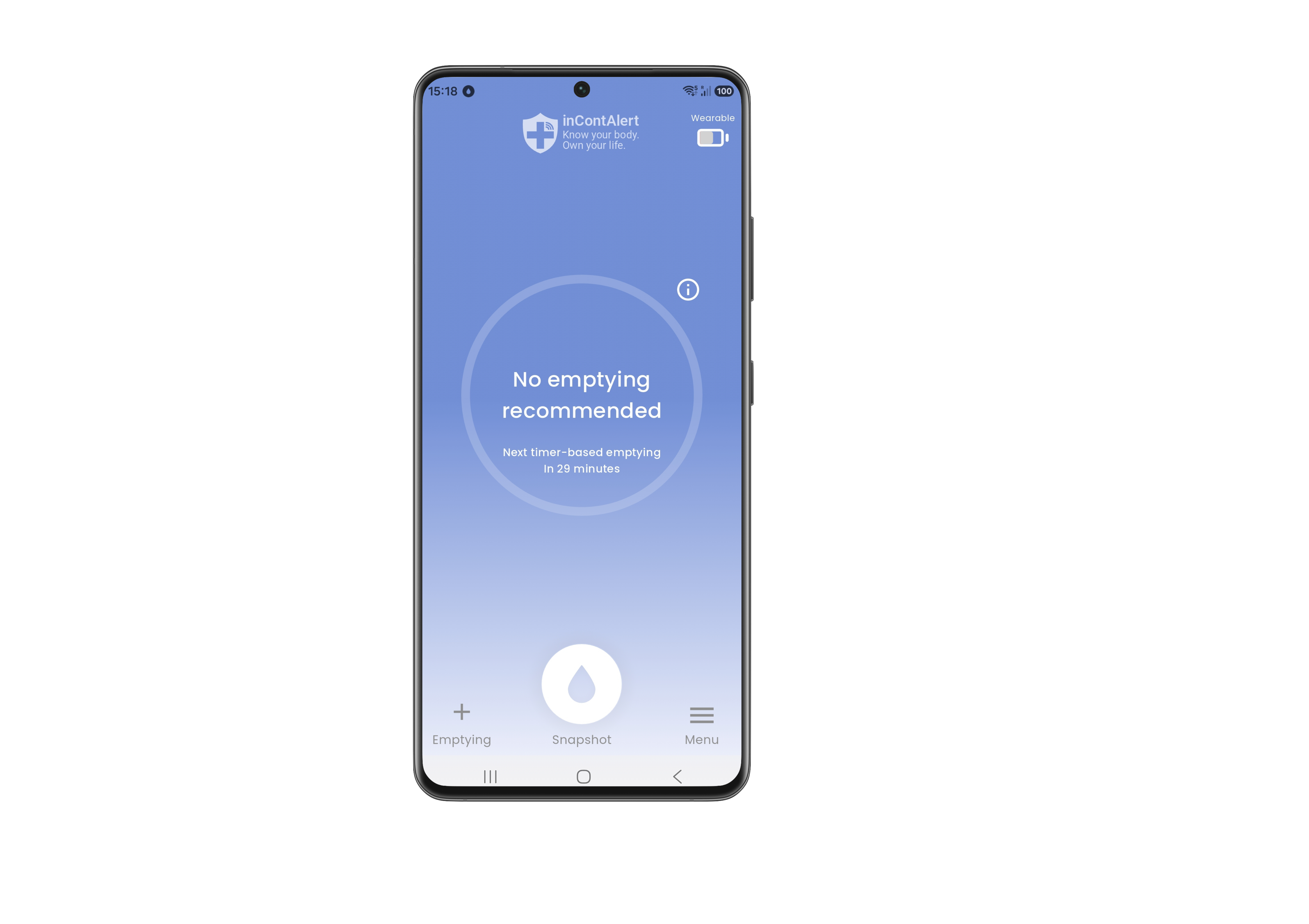
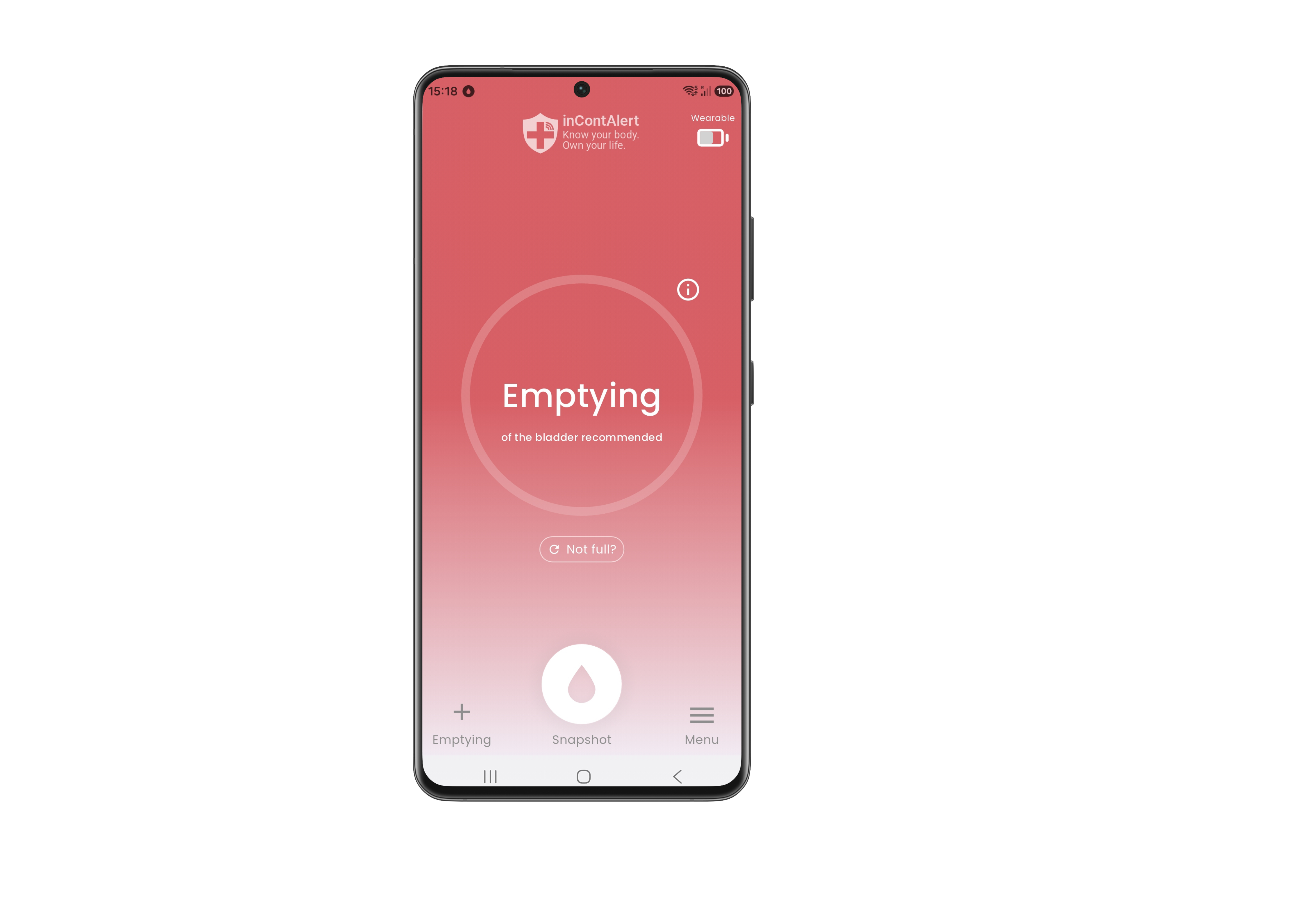
BladderMate™ app screenBladderMate™ app screenBladderMate™ sensor, app and smartwatch

Research

Peer-reviewed publications and evidence.

The technological development of inContAlert BladderMate™ is scientifically grounded and has been published in renowned, peer-reviewed journals, from early feasibility studies through usability research to in-vivo validation of the sensor. Every stage of development has thus been independently reviewed and is transparently documented.

International Continence Society 2026 in Maastricht

Fechner et al. (2026)

First Clinical Evaluation of a Wearable Near-Infrared Device for Continuous Bladder Monitoring in Adult NLUTD

Read more
Journal of the Association for Information Systems

Kneissel et al. (2026)

Navigating Tensions in Socially Inclusive Design: Design Principles for Assistive Digital Technologies

Read more
Journal of the Association for Information Systems

Fechner et al. (2025)

Toward Triadic Delegation: How Agentic IS Artifacts Affect the Patient-Doctor Relationship in Healthcare

Read more
Business & Information Systems Engineering

Fechner et al. (2024)

How Artificial Intelligence Challenges Tailorable Technology Design

Read more
European Journal of Information Systems

Jonas et al. (2024)

Designing a wearable IoT-based bladder level monitoring system for neurogenic bladder patients

Awarded the Stafford Beer Medal 2025 for best paper of the year at EJIS

Read more
ACM Transactions on Management Information Systems

Fechner et al. (2023)

Near-Infrared Spectroscopy for Bladder Monitoring: A Machine Learning Approach

Read more
International Journal of Technology Assessment in Health Care (PubMed)

Lockl et al. (2022)

A Model to Assess the Impact of Digital Technologies on the Health-related Quality of Life (HrQoL)

Read more
International Continence Society 2026 in Maastricht

Fechner et al. (2026)

First Clinical Evaluation of a Wearable Near-Infrared Device for Continuous Bladder Monitoring in Adult NLUTD

Read more
Journal of the Association for Information Systems

Kneissel et al. (2026)

Navigating Tensions in Socially Inclusive Design: Design Principles for Assistive Digital Technologies

Read more
Journal of the Association for Information Systems

Fechner et al. (2025)

Toward Triadic Delegation: How Agentic IS Artifacts Affect the Patient-Doctor Relationship in Healthcare

Read more
Business & Information Systems Engineering

Fechner et al. (2024)

How Artificial Intelligence Challenges Tailorable Technology Design

Read more
European Journal of Information Systems

Jonas et al. (2024)

Designing a wearable IoT-based bladder level monitoring system for neurogenic bladder patients

Awarded the Stafford Beer Medal 2025 for best paper of the year at EJIS

Read more
ACM Transactions on Management Information Systems

Fechner et al. (2023)

Near-Infrared Spectroscopy for Bladder Monitoring: A Machine Learning Approach

Read more
International Journal of Technology Assessment in Health Care (PubMed)

Lockl et al. (2022)

A Model to Assess the Impact of Digital Technologies on the Health-related Quality of Life (HrQoL)

Read more
International Continence Society 2026 in Maastricht

Fechner et al. (2026)

First Clinical Evaluation of a Wearable Near-Infrared Device for Continuous Bladder Monitoring in Adult NLUTD

Read more
Journal of the Association for Information Systems

Kneissel et al. (2026)

Navigating Tensions in Socially Inclusive Design: Design Principles for Assistive Digital Technologies

Read more
Journal of the Association for Information Systems

Fechner et al. (2025)

Toward Triadic Delegation: How Agentic IS Artifacts Affect the Patient-Doctor Relationship in Healthcare

Read more
Business & Information Systems Engineering

Fechner et al. (2024)

How Artificial Intelligence Challenges Tailorable Technology Design

Read more
European Journal of Information Systems

Jonas et al. (2024)

Designing a wearable IoT-based bladder level monitoring system for neurogenic bladder patients

Awarded the Stafford Beer Medal 2025 for best paper of the year at EJIS

Read more
ACM Transactions on Management Information Systems

Fechner et al. (2023)

Near-Infrared Spectroscopy for Bladder Monitoring: A Machine Learning Approach

Read more
International Journal of Technology Assessment in Health Care (PubMed)

Lockl et al. (2022)

A Model to Assess the Impact of Digital Technologies on the Health-related Quality of Life (HrQoL)

Read more

Why it matters

Need-driven bladder emptying at the right moment.

People who can no longer feel their bladder because of a bladder dysfunction don’t know when to go to the toilet. inContAlert BladderMate™ was developed so that these people no longer have to guess based on rigid schedules or gut feeling, but can empty their bladder precisely when it is truly necessary.

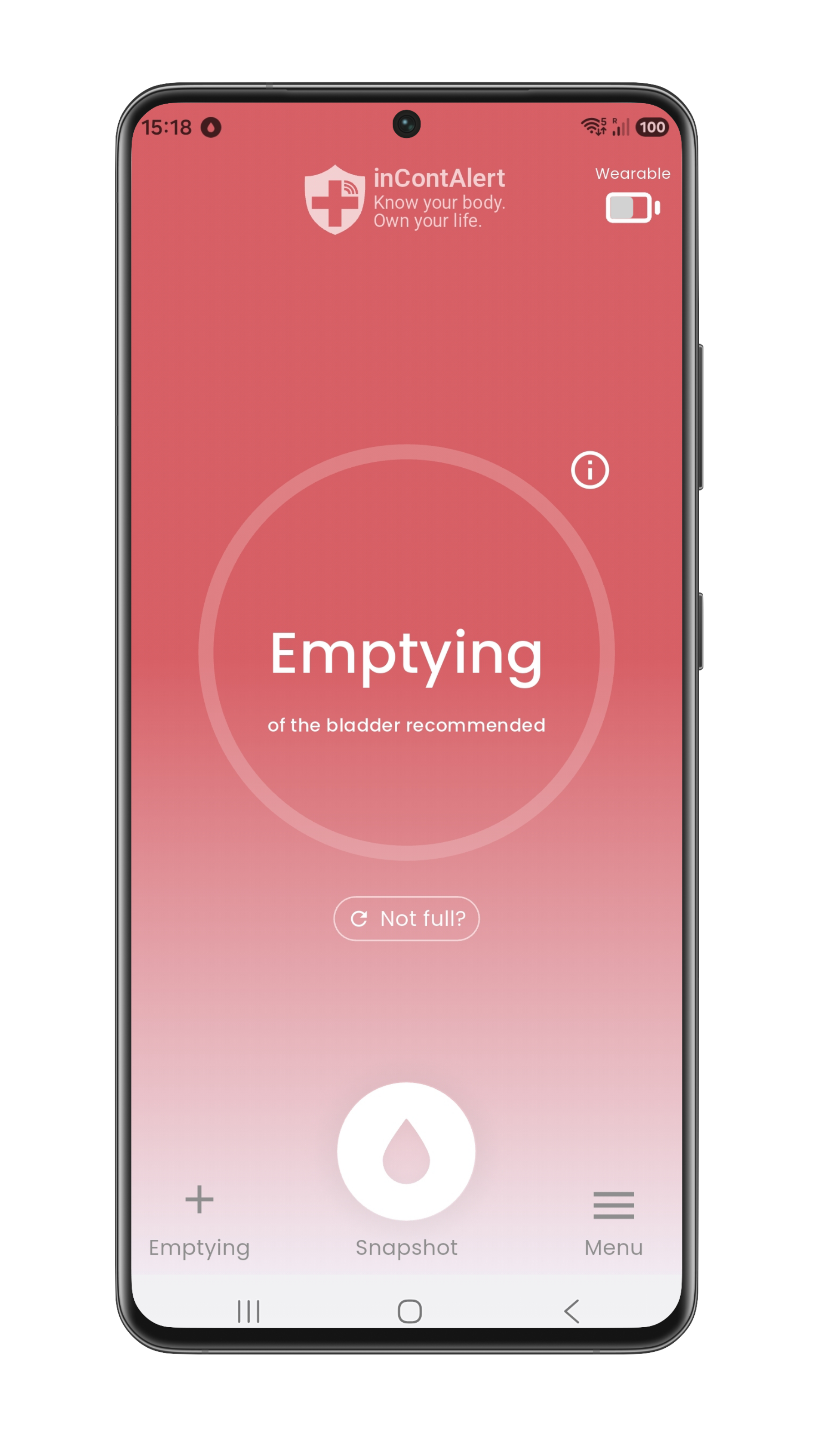
inContAlert app — recommendation screen

For people affected, inContAlert BladderMate™ means regaining control over their own bladder management. Instead of relying on rigid schedules and an uncertain feeling, they can rely at any time on recommendations for when the bladder should be emptied, for more independence in their everyday life. In the literature, needs-based bladder management oriented to the actual filling level is regarded as an important building block for avoiding incontinence episodes and secondary damage from an overfull bladder. inContAlert BladderMate™ was developed to support exactly this management in everyday life. Possible benefits:

  • improved quality of life

  • less mental load
  • lower risk of secondary complications

Voices

What people affected, clinics and payers say.

Anna P.
5 out of 5 stars
Anna P.Verified
T4 paraplegia
For people without any sense of their bladder, the BladderMate™ is an absolute game changer. Knowing again when you really need to go to the toilet is a relief that no one who has not been in this situation can truly grasp. Many thanks to the whole inContAlert team for developing such a huge everyday relief ☺️
Dr. Matthias Ponfick
5 out of 5 stars
Dr. Matthias PonfickVerified
Chief Physician, Sana Spinal Cord Injury Center Rummelsberg
inContAlert BladderMate™ brings an innovative and timely solution into our clinical routine that allows us to care for patients even more individually and proactively. Through outpatient therapy, patients benefit from a better quality of care and, above all, more independence in everyday life. Newly injured spinal cord patients without experience gain a reliable assistant for bladder emptying. Need-driven care is an additional game changer in times of staff shortages.
Daniela
5 out of 5 stars
DanielaVerified
Neurogenic bladder
inContAlert BladderMate™ has given me back a huge piece of my quality of life. I finally know again when my bladder is full and I need to empty it. Because of that, overfilling and the sudden, gushing losses of urine have almost completely disappeared. A huge win: I no longer have to empty my bladder by the clock, but when it’s actually full, sometimes after just an hour, sometimes later. What I find especially wonderful is getting to experience the development as a tester, and having such a great, open relationship with the whole team.

Note: These are individual experience reports. Results may vary from person to person.

Frequently asked questions

Answered briefly.

Know your body. Own your life.

Join the waitlist, no strings attached, or just write to us directly.

Newsroom

Latest news.

All articles →

Funded by

Bundesministerium für Wirtschaft und KlimaschutzBundesministerium für Forschung, Technologie und RaumfahrtGründerland Bayern (StMWi)Europäischer SozialfondsEuropäische UnionEU – Designing our Future Together
EXISTMedical ValleyHigh-Tech GründerfondsBayern Kapitalcarma fund

We use two Google services: Google Analytics, so we can see what works on our site, and reCAPTCHA, which protects our forms against bots when you submit them. Both only start once you agree. · More in the privacy policy